Fire risk by region: where to live more peacefully
Why the Center and Inland North are burning, where the risk is lower and how to choose a place for a home without relying on luck.
| Highest risk | internal Center (Coimbra, Viseu, Guarda, Castelo Branco, Leiria) |
|---|---|
| High | inland North (Vila Real, Bragança), Algarve mountains |
| Most fires | districts of Porto, Braga, Viana do Castelo (mostly small) |
| Below average | Alentejo plains, major cities, Azores islands |
| The largest fire in history | Arganil/Piódão, 2025 - about 64,000 hectares |
| Area of fires 2025 / 2026* | ~271,000 ha / ~67,000 ha (*as of 31.08) |
Why is the Center burning?
The interior of the Center combines everything that fire loves: steep slopes, solid tracts of eucalyptus and maritime pine, abandoned areas after the outflow of population and hot, dry summers with easterly winds. This is where the Pedrogau Grande (2017), the October 2017 fires, the Serra da Estrela fires (2022) and the record Arganil/Piódão fire in 2025 happened. In 2026, the largest fire in Europe at the beginning of the season was the fire in Vouzela (Viseu district) in July - about 15,000 hectares. See also: Algarve Where to Buy.
North: many fires, different scale
The districts of Porto, Braga and Viana do Castelo lead in the number of fires each year, but most of them do not go beyond a hectare. The Inland North (Vila Real, Bragança) is a different matter: in 2026, until the end of July, the Vila Real district accounted for about a quarter of the country's total fire area. In September 2024, large fires swept through the districts of Aveiro and Viseu.
Where the risk is lower
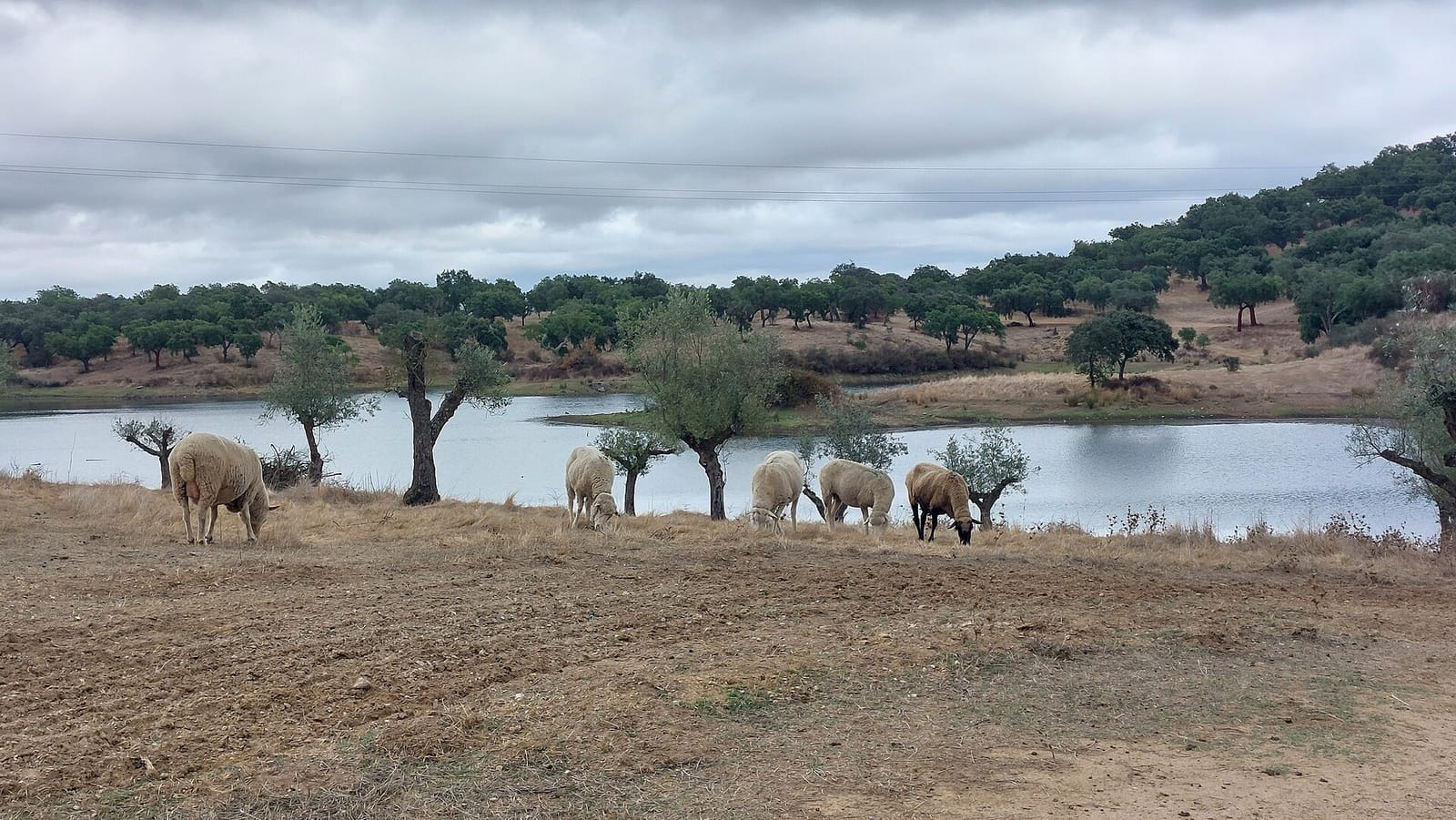
- Alentejo Plains. The montado landscape—cork and holm oaks among pastures—burns worse than clear forest, and areas are generally cultivated. Hazard map researchers note a clear contrast between North/Central and Alentejo.
- Large cities and suburbs. Lisbon, Porto, Braga, Coimbra within the boundaries of continuous development - minimal risk, although wooded outskirts (Sintra, Monchique near Portimão) are an exception.
- Azores - humid climate, there are practically no large forest fires.
- Madeira is a seasonal risk, but in 2024 about 5,000 hectares burned there.
Algarve: coast and mountains - different worlds
The Algarve's coastal strip is developed and relatively safe, but the Monchique and Caldeirão mountains are classic areas of large fires (2003, 2004, 2018). A villa “with mountain views” 15 minutes from the beach may be in a high danger class.
How to choose in practice
Region is only the first filter. The specific location decides: a house in a village surrounded by vegetable gardens and olive trees is safer than an isolated quinta in a eucalyptus forest, even in a “dangerous” district. Check the site's hazard rating, 20-year fire history (ICNF maps of burned areas), access and water source.
Frequently Asked Questions
Is it safe to buy in Serra da Estrela?
Perhaps, but only in a village or with a large cleared perimeter and a thorough check of maps.
What about the Silver Coast (Costa de Prata) and Leiria?
Maritime pine forests (such as Mata Nacional de Leiria, which burned in 2017) are also burning; houses near the forest require the same inspection as in the outback.
Where is the lowest risk on the mainland?
Dense urban development and agricultural plains without continuous forest.
Related guides
Buying rural property in a fire-risk zone?
Our licensed partner orders technical and environmental due diligence audits — ICNF hazard cross-checks, water points and insurance exclusions — before you commit.
Select region and object →