Praia da Costa de Santo André
Atlantic Beach · Santiago do Cacém, Setúbal district
| Coast / Municipality | Santiago do Cacém, Setúbal district |
|---|---|
| Beach Type | Atlantic Beach |
| Swimming & Sea Access | Verified Atlantic coastal waters |
| Region | Portugal Coast |
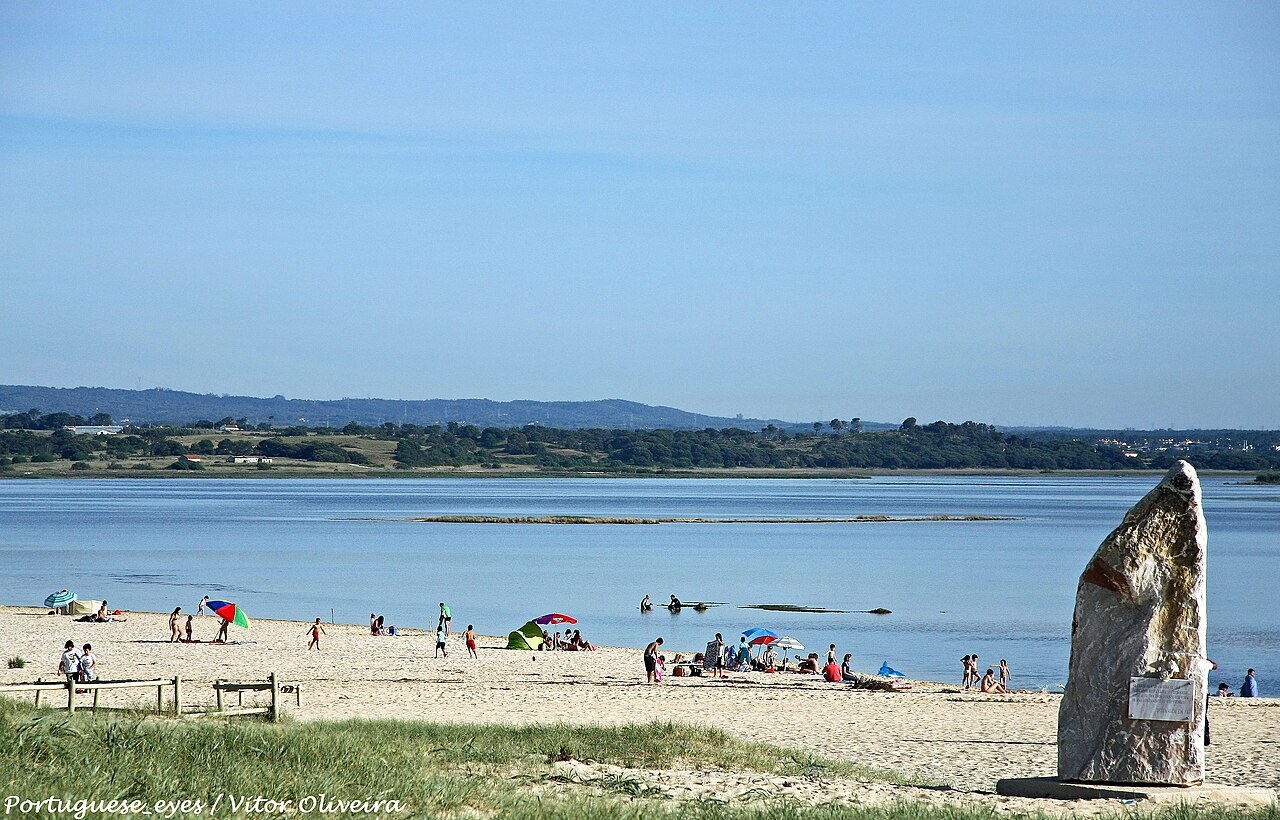
Costa de Santo André is a beach on the coast of Santiago do Cacém, next to the Lagoa de Santo André, a large coastal lagoon protected as part of the Lagoas de Santo André e da Sancha Nature Reserve. The ocean beach is a long, wide stretch of golden sand backed by dunes, while the lagoon offers calm, shallow water. The nature reserve is an important habitat for waterbirds, including herons, flamingos and many migratory species. The village has a relaxed atmosphere, with holiday homes, campsites and simple restaurants.
Costa de Santo André is a beach on the coast of Santiago do Cacém, next to the Lagoa de Santo André, a large coastal lagoon protected as part of the Lagoas de Santo André e da Sancha Nature Reserve. The ocean beach is a long, wide stretch of golden sand backed by dunes, while the lagoon offers calm, shallow water. The nature reserve is an important habitat for waterbirds, including herons, flamingos and many migratory species. The village has a relaxed atmosphere, with holiday homes, campsites and simple restaurants.
Costa de Santo André is reached by car from Santiago do Cacém or Sines. There is parking near the beach and the lagoon. In the bathing season, the ocean beach has lifeguards, beach bars, toilets and showers, and it has been awarded the Blue Flag. The lagoon is popular for kayaking, paddle boarding, windsurfing and fishing, and its opening to the sea, usually in spring, is a traditional event in the region. The sea is open and can have strong waves and currents, so swimming should be in supervised areas.
Costa de Santo André suits families, nature lovers and birdwatchers. The lagoon offers calm water for children, while the ocean beach has waves for surfers and bodyboarders. Walking trails around the nature reserve offer opportunities for birdwatching and exploring the dunes and wetlands. Nearby, the historic town of Santiago do Cacém has a castle and the Roman ruins of Miróbriga. The beach is less crowded than the Algarve, offering a peaceful, authentic experience. The village fills up in August with Portuguese families who rent holiday homes and pitch tents at the campsites, but in June and September it is very quiet. Cycle paths and sandy tracks through the pine forest connect the lagoon, the beach and the reserve's observation points, making it easy to spend a day without the car.
Good to know
- Highlight: Clean Atlantic swimming waters
- Highlight: Scenic coastline & natural surroundings
- Highlight: Verified coastal access & seasonal services
Frequently Asked Questions
Is this beach safe for swimming and families?
Swimming safety depends on sea conditions and season. During the official bathing season (June to September), licensed beaches are monitored by certified lifeguards. Always follow warning flags (green = safe, yellow = caution, red = no swimming).
What facilities and parking are available?
Access routes, designated parking spaces, and seasonal cafes or restrooms vary by cove. Arriving before 10:00 or after 16:30 is strongly advised during peak summer months to secure vehicle parking.
How cold is the Atlantic water here?
Water temperatures along the Portuguese coast range from 15°C–18°C in spring up to 20°C–23°C in late summer (August–September), with the warmest waters typically found in the eastern Algarve.
Related topics
Falling for this coastline?
Plenty of visitors do — and some stay. Residency, taxes and housing along the Portuguese coast, handled by our licensed partner.
Explore living in Portugal →