Praia do Magoito
Atlantic Beach · Sintra, Lisbon district

| Coast / Municipality | Sintra, Lisbon district |
|---|---|
| Beach Type | Atlantic Beach |
| Swimming & Sea Access | Verified Atlantic coastal waters |
| Region | Portugal Coast |
Magoito is a wild beach on the northern coast of Sintra, set at the bottom of tall cliffs. It is known for its iodine-rich air and the fossilised dunes on the cliff above, a protected geological monument that preserves ancient sand dunes turned to rock. The beach itself is a mix of sand and rocks, with natural pools appearing at low tide, and the sea is open, cold and often powerful. At high tide the beach shrinks considerably, so checking the tide table before going is important. The landscape is rugged and dramatic, with green hills above the cliffs.
Magoito is a wild beach on the northern coast of Sintra, set at the bottom of tall cliffs. It is known for its iodine-rich air and the fossilised dunes on the cliff above, a protected geological monument that preserves ancient sand dunes turned to rock. The beach itself is a mix of sand and rocks, with natural pools appearing at low tide, and the sea is open, cold and often powerful. At high tide the beach shrinks considerably, so checking the tide table before going is important. The landscape is rugged and dramatic, with green hills above the cliffs.
Access is by car via the village of Magoito, with parking at the top of the cliff. From there, a path and stairs lead down to the beach, which requires some effort on the way back up. In season, there are lifeguards, a beach bar and restaurant, and basic facilities. The beach has been awarded the Blue Flag in various years. Because of its location below cliffs, the sun disappears earlier in the afternoon, and rockfalls are a risk, so stay away from the base of the cliffs.
Magoito suits travellers looking for a wild, natural beach away from the crowds, and those who enjoy the ocean's raw power. Surfers and bodyboarders find waves here on many days. At low tide, the rock pools are fascinating for children and adults alike. The beach is less suitable for people with reduced mobility due to the steep access. Walkers can follow coastal paths along the cliffs, with superb views, and the fossilised dunes are well worth a look. Combine with nearby Praia da Aguda and Azenhas do Mar.
Good to know
- Highlight: Clean Atlantic swimming waters
- Highlight: Scenic coastline & natural surroundings
- Highlight: Verified coastal access & seasonal services
Frequently Asked Questions
Is this beach safe for swimming and families?
Swimming safety depends on sea conditions and season. During the official bathing season (June to September), licensed beaches are monitored by certified lifeguards. Always follow warning flags (green = safe, yellow = caution, red = no swimming).
What facilities and parking are available?
Access routes, designated parking spaces, and seasonal cafes or restrooms vary by cove. Arriving before 10:00 or after 16:30 is strongly advised during peak summer months to secure vehicle parking.
How cold is the Atlantic water here?
Water temperatures along the Portuguese coast range from 15°C–18°C in spring up to 20°C–23°C in late summer (August–September), with the warmest waters typically found in the eastern Algarve.
Beaches nearby
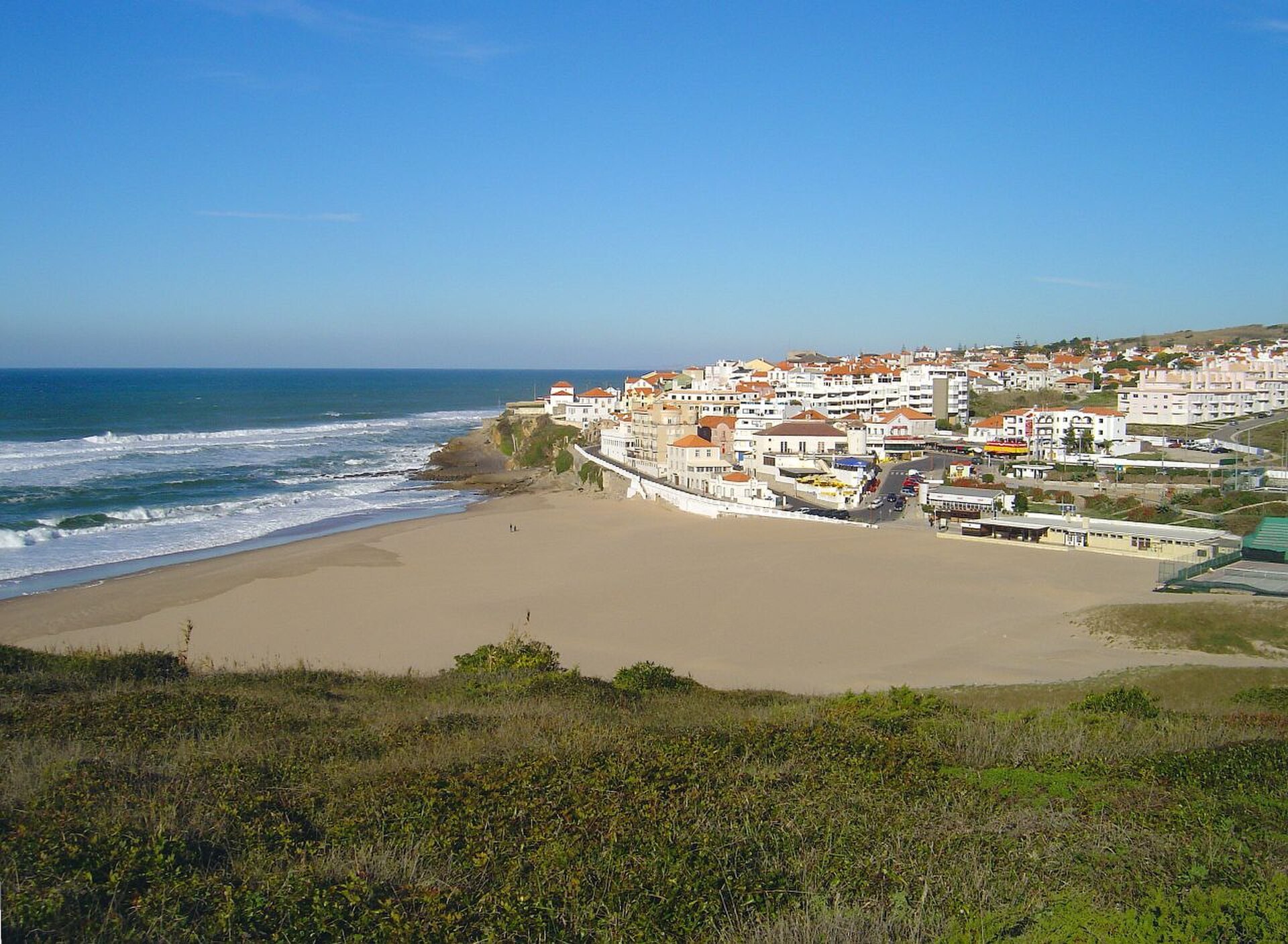 Sintra, Lisbon district · Atlantic Beach
Praia das Maçãs
Praia das Maçãs is a traditional beach resort on the Sintra coast, popular with Lisbon families since the early 20th century.
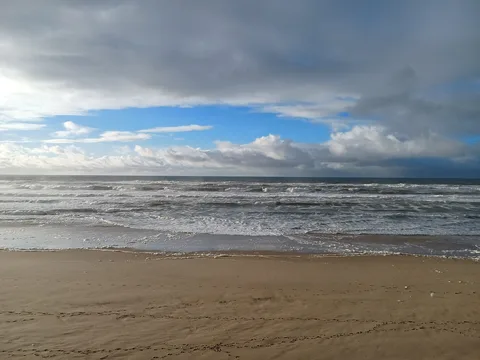 Sintra, Lisbon district · Atlantic Beach
Praia Grande (Sintra)
Praia Grande, "Big Beach," is one of the largest beaches on the Sintra coast, a wide stretch of sand between tall cliffs.
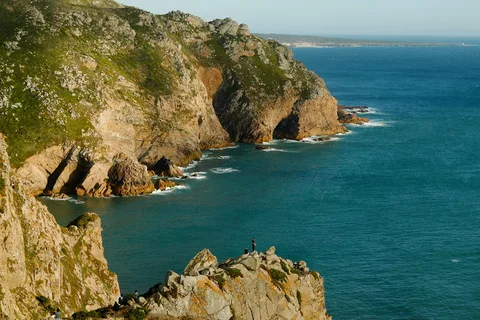 Sintra, Lisbon district · Atlantic Beach
Praia da Ursa
Praia da Ursa is a wild, remote beach near Cabo da Roca, the westernmost point of mainland Europe.
Related topics
Falling for this coastline?
Plenty of visitors do — and some stay. Residency, taxes and housing along the Portuguese coast, handled by our licensed partner.
Explore living in Portugal →