Portugal in 12 Days: a practical itinerary you can actually use

| Duration | 12 Days |
|---|---|
| Recommended Transport | Rental Car or Mixed |
| Estimated Budget | €120 – €200 / day |
| Best Time to Visit | April – October |
| Pacing & Difficulty | Moderate · Leisure & Cultural Exploration |
A successful relaxed discovery in Portugal is not measured by the number of pins you save on a map. It is measured by how much of the country you can enjoy without turning each day into a transfer exercise. This guide uses North and south without rushing as its central planning idea. The aim is to help you choose where to sleep, what to see, which compromises are sensible and when a different itinerary would be a better fit. The itinerary is a planning framework, not a live timetable or a promise that every attraction will be available on your travel dates.
The short answer: is this itinerary right for you?
Reserve two-night stays for places where day trips are practical. This approach suits travellers who value a coherent trip rather than a checklist. If you want to spend several hours in a museum, stop for a long lunch or change plans because of the weather, keep at least one flexible block in your schedule. If your priority is to cover the greatest number of regions, accept that your time inside each destination will shrink. Families, slower travellers and people with mobility needs should generally reduce the number of daily transitions. The most useful first decision is not which monument to book; it is which places deserve an overnight stay.
Suggested route and how to pace it
A useful starting sequence is Lisbon, Évora, Algarve, Coimbra, Porto and Douro.. Treat these as candidate stops rather than an instruction to visit every location in a single day. Before booking, divide your available nights between primary bases and decide which smaller places can be reached as day trips. A base should provide straightforward arrival and departure logistics, places to eat after sightseeing and a sensible alternative if rain or fatigue changes your plans. If your chosen sequence crosses a large part of Portugal, compare an open-jaw flight with returning to your original airport. The right choice depends on the actual flights, prices and connections available for your dates.
Stop-by-stop editorial notes
1. Lisbon. Make this stop earn its place in the itinerary. Decide whether you are visiting for architecture, landscape, food or simply a slower day. Identify one main activity and one optional activity, then confirm opening times and access conditions from official sources. If this is an overnight base, choose accommodation with a practical arrival route and realistic luggage access. If it is only a brief stop, check parking or station-to-centre connections before committing. Do not schedule the next transfer immediately after a timed entry or a long meal.
2. Évora. Make this stop earn its place in the itinerary. Decide whether you are visiting for architecture, landscape, food or simply a slower day. Identify one main activity and one optional activity, then confirm opening times and access conditions from official sources. If this is an overnight base, choose accommodation with a practical arrival route and realistic luggage access. If it is only a brief stop, check parking or station-to-centre connections before committing. Do not schedule the next transfer immediately after a timed entry or a long meal.
3. Algarve. Make this stop earn its place in the itinerary. Decide whether you are visiting for architecture, landscape, food or simply a slower day. Identify one main activity and one optional activity, then confirm opening times and access conditions from official sources. If this is an overnight base, choose accommodation with a practical arrival route and realistic luggage access. If it is only a brief stop, check parking or station-to-centre connections before committing. Do not schedule the next transfer immediately after a timed entry or a long meal.
4. Coimbra. Make this stop earn its place in the itinerary. Decide whether you are visiting for architecture, landscape, food or simply a slower day. Identify one main activity and one optional activity, then confirm opening times and access conditions from official sources. If this is an overnight base, choose accommodation with a practical arrival route and realistic luggage access. If it is only a brief stop, check parking or station-to-centre connections before committing. Do not schedule the next transfer immediately after a timed entry or a long meal.
5. Porto and Douro. . Make this stop earn its place in the itinerary. Decide whether you are visiting for architecture, landscape, food or simply a slower day. Identify one main activity and one optional activity, then confirm opening times and access conditions from official sources. If this is an overnight base, choose accommodation with a practical arrival route and realistic luggage access. If it is only a brief stop, check parking or station-to-centre connections before committing. Do not schedule the next transfer immediately after a timed entry or a long meal.
Transport: choose the route, not just the vehicle
Portugal offers several ways to combine urban and rural destinations, but they are not interchangeable. Rail can be comfortable for city-to-city journeys; driving may provide flexibility in rural areas, at the cost of parking, tolls and driver fatigue. Buses sometimes connect places that rail does not serve directly. Compare door-to-door travel time rather than only the advertised time between stations. Include reaching the departure point, waiting, collecting luggage and arriving at accommodation. For driving days, distinguish motorway time from scenic-road time and check any restricted historic-centre access. Evaluate train and bus connections before selecting inland overnight stops. If the journey depends on a ferry, mountain road, trail or seasonal service, verify availability close to the travel date.
Where to stay and how to avoid unnecessary packing
Accommodation strategy has a greater impact on the trip than many travellers expect. One well-chosen base can make two or three different excursions possible while preserving evenings for restaurants and neighbourhood walks. On the other hand, a base that looks central on a regional map may be inconvenient without a car. Compare the exact location of a property with the station, bus stop or parking you will use. Consider stairs, steep streets, late check-in policies and the practicalities of carrying bags. A hotel change consumes more than the drive between cities: checkout, transport, waiting and check-in all reduce the time available for the destination itself. Prefer consecutive nights in one base when the benefits of moving are small.
A realistic daily rhythm
Begin each day with one anchor experience, ideally the activity most affected by reservations, weather or opening hours. Add a second nearby activity that complements it, not one that requires crossing an entire city. Keep lunch flexible enough to enjoy local food rather than treating it as a task to finish. The afternoon can hold a viewpoint, market, neighbourhood walk or quieter museum, depending on energy and conditions. Leave room for unexpected closures and travel delays. This rhythm is particularly valuable in Portugal's older urban districts, where hills, stairs and uneven paving make a short map distance feel longer on foot. If the day includes an intercity transfer, remove at least one planned attraction rather than squeezing everything into a late arrival.
Budget: what to calculate before booking
Do not rely on a single headline cost for this route. A useful estimate separates accommodation per room per night, food per person per day, long-distance transport, local transport, attraction tickets and contingency expenses. Rental-car scenarios should include fuel, tolls, parking, insurance conditions and any one-way fee. Train scenarios should include local connections, baggage practicalities and any seat-reservation rules. Costs vary by season, weekday, lead time and group size. Use the site's interactive budget calculator with your own assumptions, and show the date and source whenever a published guide includes a specific price. An estimate should never be presented as a guaranteed quote.
What can go wrong, and how to prepare
A coast-to-coast detour can add fatigue despite short-looking map distances. The simplest prevention is to keep the schedule modular: define essential stops, optional stops and a backup for bad weather. Confirm major attractions from official websites shortly before the visit. For outdoor activities, check the weather and any safety or trail restrictions. For coastal locations, distinguish a scenic beach from a beach that is safe for swimming on that day. For heritage sites, understand whether advance entry tickets or timed slots are required. For restaurants and accommodation, verify current operating details rather than copying old recommendations. If a single delayed train or road closure would ruin the rest of the day, the plan is too tightly packed.
Alternatives worth considering
If you prefer a calmer holiday, remove the furthest destination and add an extra night to the place you are most interested in. If you are travelling without a car, focus on well-connected bases and book a guided excursion only where public transport is genuinely impractical. If you are travelling with children, swap a long museum block for a park, aquarium, waterfront walk or beach stop when conditions allow. If your trip falls in the hottest months, move exposed sightseeing to earlier hours. In cooler or wetter months, build around museums, markets and cafés with flexible outdoor windows. The best alternative is not necessarily a shorter list: it is a sequence with fewer avoidable transfers.
Who should choose a different route?
This itinerary may be a poor match if you need step-free access everywhere, want to avoid all intercity travel, have very limited time after flights or expect a completely spontaneous trip during peak periods. It may also be unsuitable if its signature destinations are not aligned with your interests. A beach-focused visitor does not need to copy a museum-heavy route, and someone primarily interested in food and wine may prefer fewer locations and longer stays. Use the site's filters to compare by duration, transport and interests before committing to reservations. Accessibility claims should be verified at individual properties and attractions, not inferred from a city's reputation.
Before you go: the final planning checklist
Check your arrival and departure airports, the last available connection on arrival day, accommodation check-in rules and the exact addresses of booked attractions. Save offline access to important booking details and a map of the immediate area around each hotel. Confirm any vehicle documentation and rental restrictions that apply to your circumstances. Recheck public transport timetables on official operators' sites, and check regional safety notices if your itinerary includes hikes, mountain roads or exposed coastline. Keep one alternative activity for each region. Finally, share a realistic day-by-day plan with your companions so that everyone understands which experiences are priorities and which can be skipped without regret.
Frequently Asked Questions
Can I do this itinerary without a car?
Some portions may work by rail or bus, while rural excursions can require additional transfers. Verify each leg before assuming a car-free plan is feasible.
Should I book everything in advance?
Book time-sensitive transport, accommodation and high-demand attractions where appropriate; leave smaller activities flexible.
Is it suitable for first-time visitors?
It can be, provided the pace and selected stops match your interests and travel time. The best first visit is usually more focused than a full-country checklist.
What if the weather changes?
Move outdoor activities to the clearest available period and use museums, cafés and other indoor options as substitutes. Avoid unsafe coastal or mountain activities.
How do I make it cheaper?
Reduce hotel changes, compare transport modes using total costs, travel outside peak demand where practical and choose a smaller number of paid attractions.
Recommended itineraries
 Recommended route
Portugal Road Trip: a practical itinerary you can actually use
Practical portugal road trip guide with realistic stops, transport decisions, pacing, alternatives and tips for planning your trip.
 Recommended route
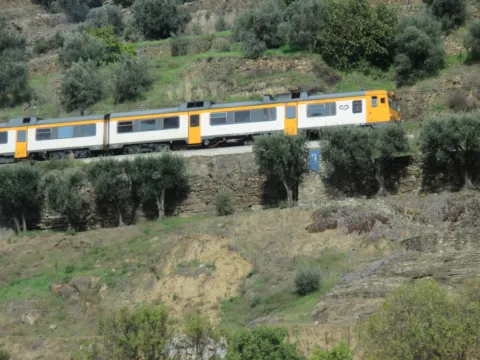
Portugal by Train: a practical itinerary you can actually use
Practical portugal by train guide with realistic stops, transport decisions, pacing, alternatives and tips for planning your trip.
 Recommended route
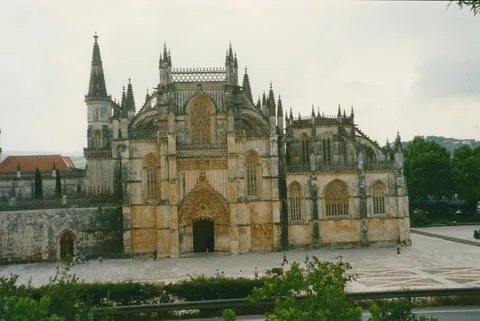
Lisbon to Porto Stops: a practical itinerary you can actually use
Practical lisbon to porto stops guide with realistic stops, transport decisions, pacing, alternatives and tips for planning your trip.
 Recommended route
Portugal Without Crowds: a practical itinerary you can actually use
Practical portugal without crowds guide with realistic stops, transport decisions, pacing, alternatives and tips for planning your trip.